
Service
Business card website development
A business card site is 3 to 5 pages answering one question: who are you and can you be trusted. Home, services, about, contacts. We shape the structure around the queries in your niche, so the site does more than exist.
What's included
Our work
Full portfolio →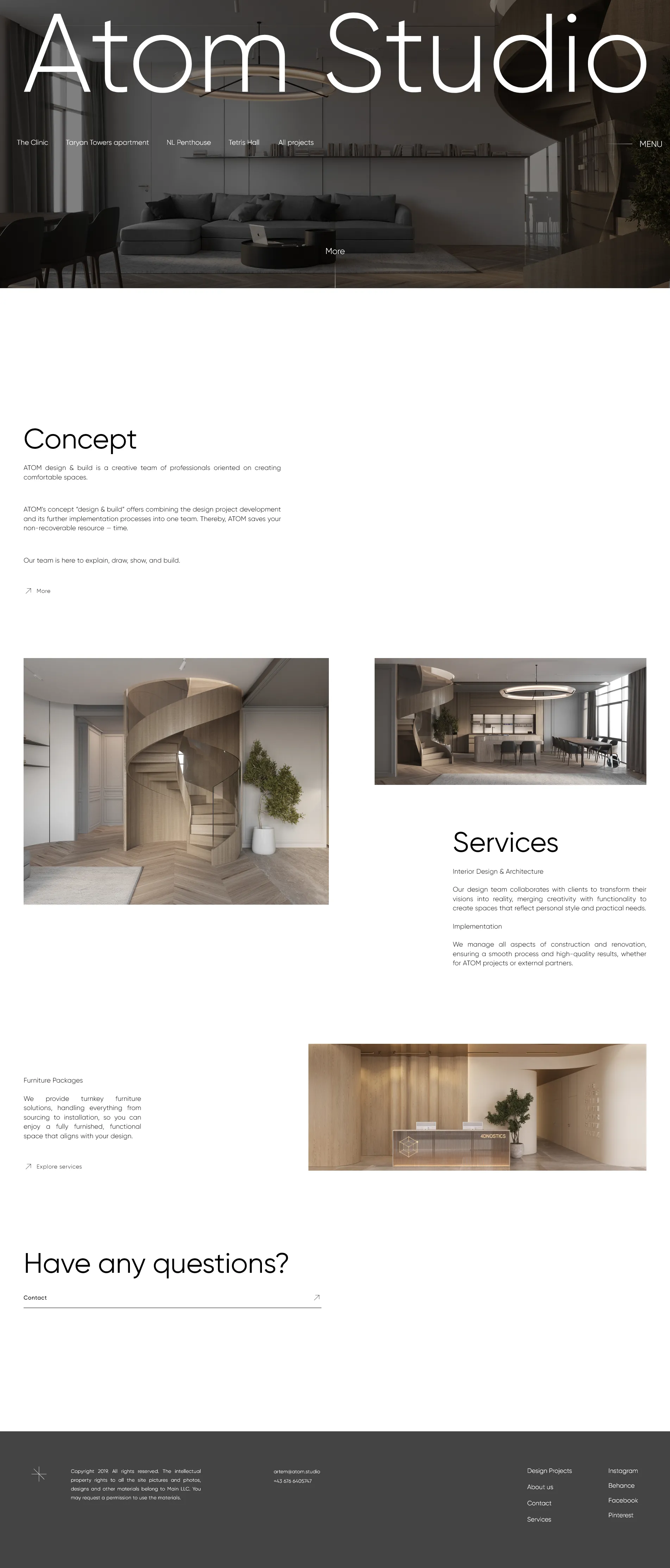
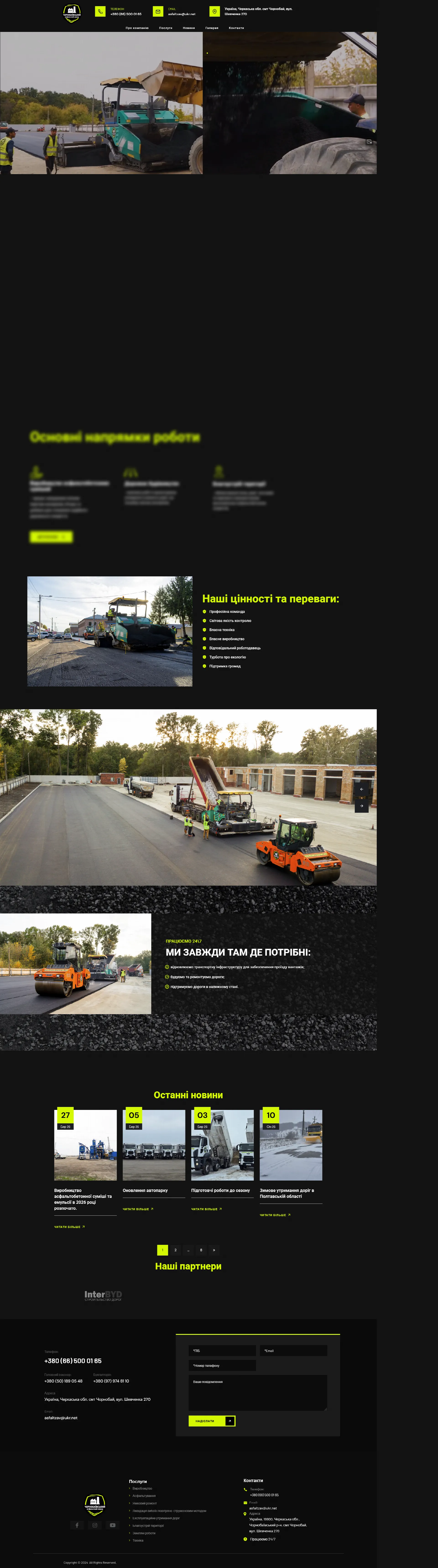
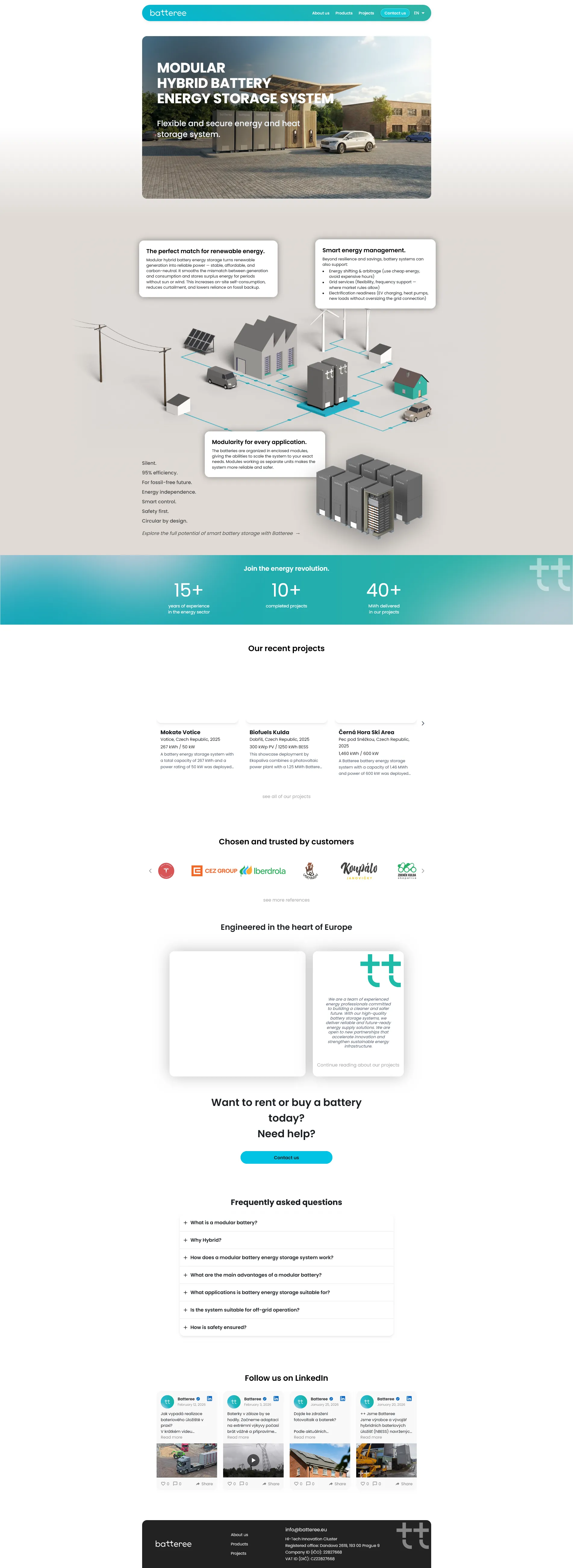
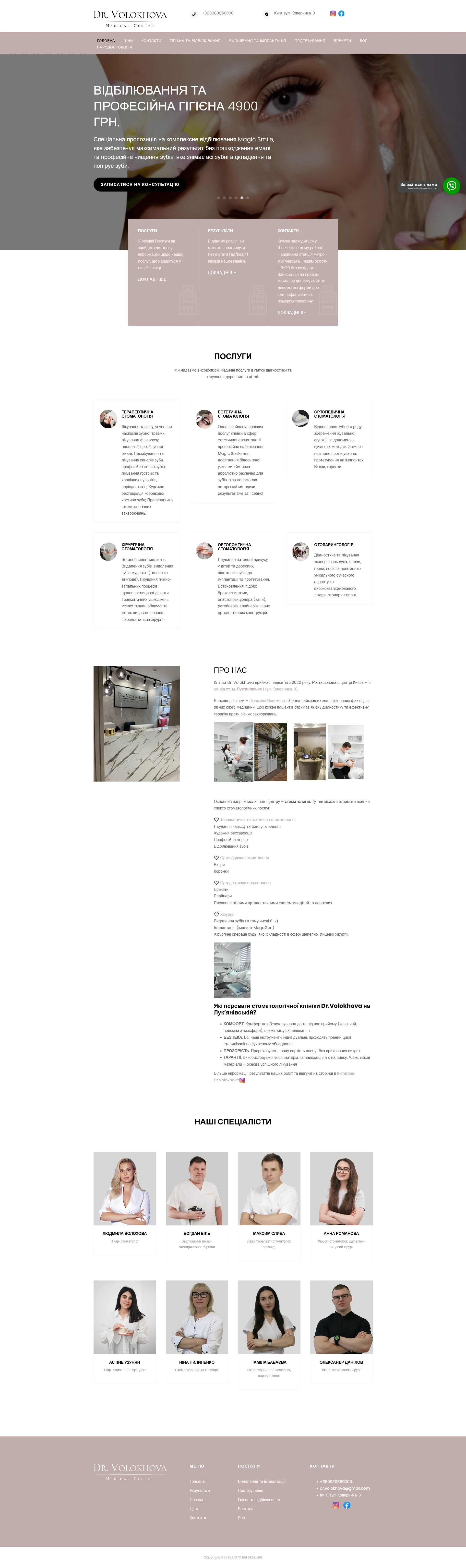
Order a business-card site
A business-card site is what you need once a social profile stops carrying the weight. A client wants the list of services, the prices and the contacts in one place, not a scroll back through the feed to a post where it was mentioned once. It also gives you something to point ads and documents at, which a profile does not always do well.
It is three to five pages: home, services, about, contacts, sometimes prices. Few pages does not mean little work: in this format every page is on show, and there is no hiding behind volume.
We build it in 10–14 days. You get an admin panel where you can change a text, a price or add a service yourself — without going through a developer and without the risk of breaking the layout.
The structure is planned with room to grow: if there are more services a year from now, they become pages rather than more bullets in one long list. That is the difference between a site that grows and a site that has to be rebuilt.
Why a business needs one
Clients search your company name before a deal. Empty results or a social profile costs trust exactly when the decision is nearly made.
Three to five pages means three to five entry points from Google, each on its own query cluster. A landing page cannot do that.
A no-code admin panel: prices, photos and text change without a developer and without waiting in a queue.
A business card site grows into a corporate site or a store without migrating to another platform.
How we build it
We agree the page list and which queries each page is meant to answer.
Home page and a typical inner page, sketched before design starts.
Figma mockups: home, inner, contacts. Desktop and mobile.
Front-end, CMS, your content, meta tags and structured data.
Domain, SSL, Search Console, analytics, a walkthrough of the admin panel.
What a business-card site includes
The format is small, so every element has to earn its place. Here is what it consists of.
Home
Who you are, what you do and for whom — within the first two screens. Then a short list of services and a way to get in touch without scrolling to the bottom.
Services
A page or a block for each direction. This is the foundation for later promotion: every service has its own query in search.
About
People, experience, approach. The page opened right before someone calls — trust is decided here.
Contacts
Phone, email, messengers, a map and a form. Every contact is tappable: on a phone the number should dial in two taps.
Admin panel
Texts, prices and images are edited by you. The layout does not break while you do it — that is verified before handover.
Baseline SEO
Title and description per page, organisation markup, a sitemap. The site is ready to be promoted from day one instead of needing rework.
Frequently asked questions
How many pages does it include?
How long does it take?
Can I add pages myself?
Business card site or landing page?
What about SEO?
How much does a business-card site cost?
Can the site be extended later?
Will the site appear in Google?
What if I have no texts?
Do you build business-card sites in two languages?
A business card site for your company
A business card site is 3 to 5 pages: home, services, about, contacts. It is what opens when somebody googles your company before a call or before signing. Build time is 10 to 20 days.
Unlike a landing page, it works for search: every page gets its own query cluster, meta tags and structured data. You manage text and photos yourself — the admin panel is built for someone who does not touch code.